Best Electric Cars · EVCar Data Desk
Kia Sportage PHEV Offers Longer EPA Range Than Volvo EX90 EV
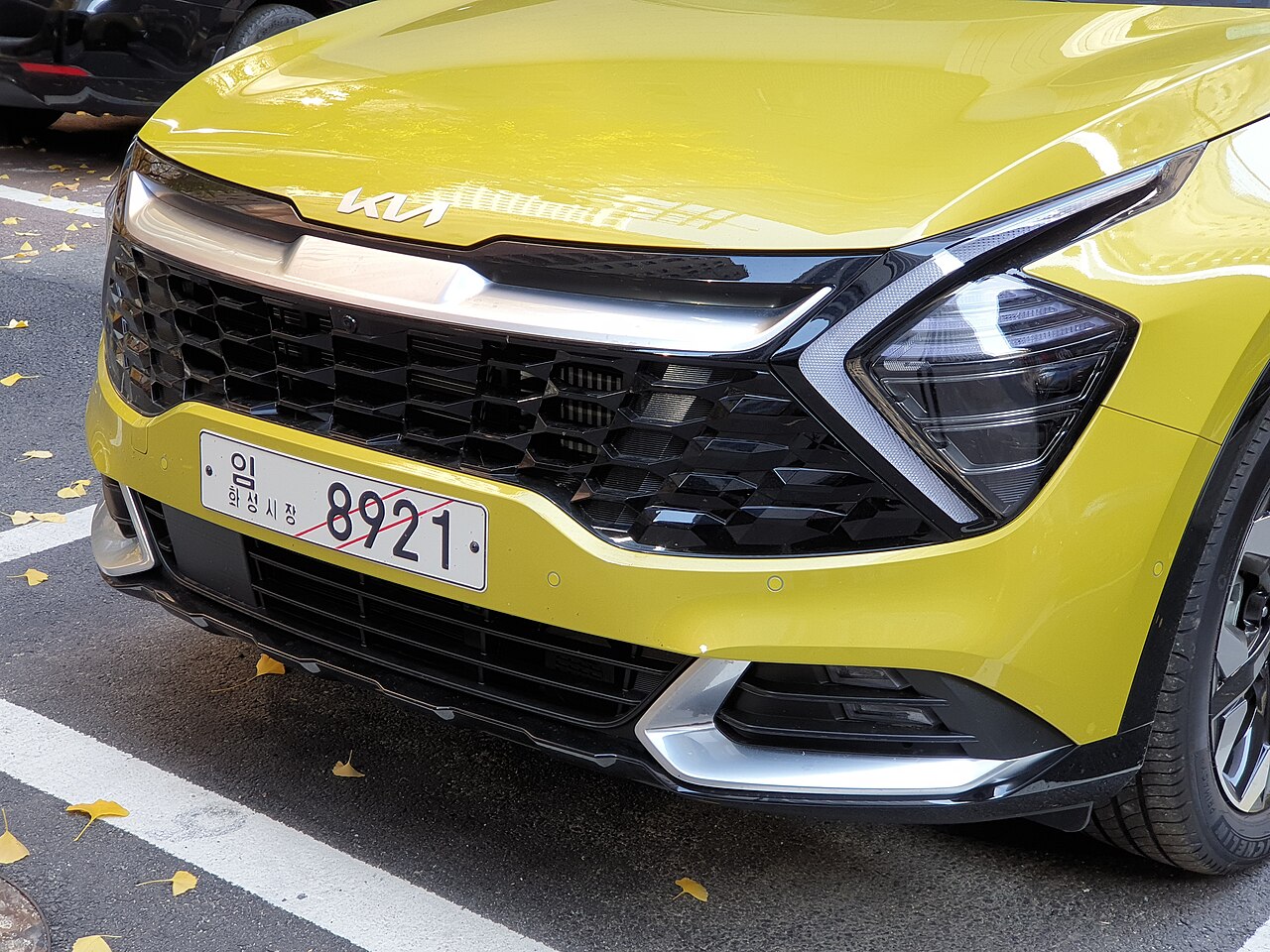
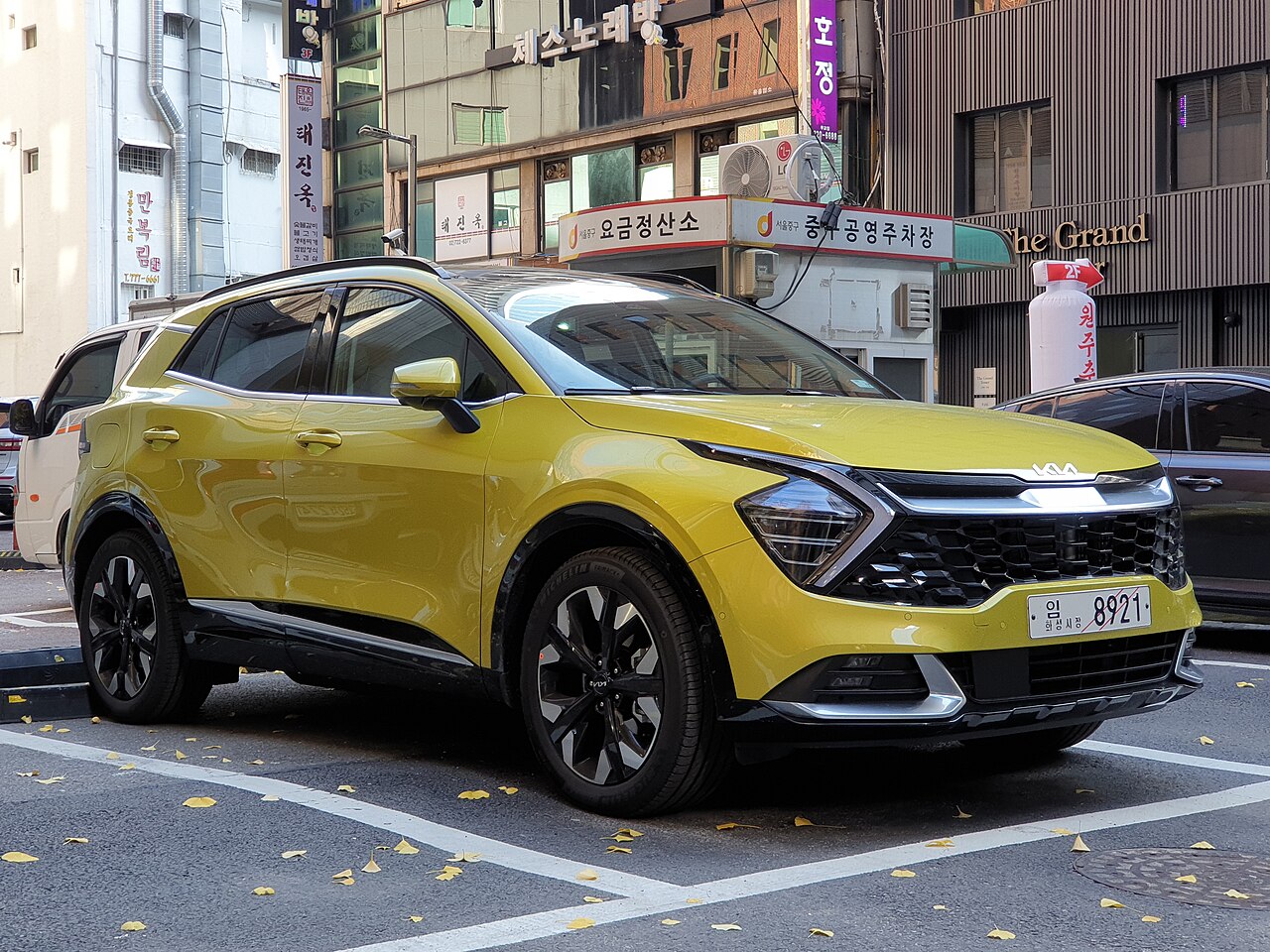
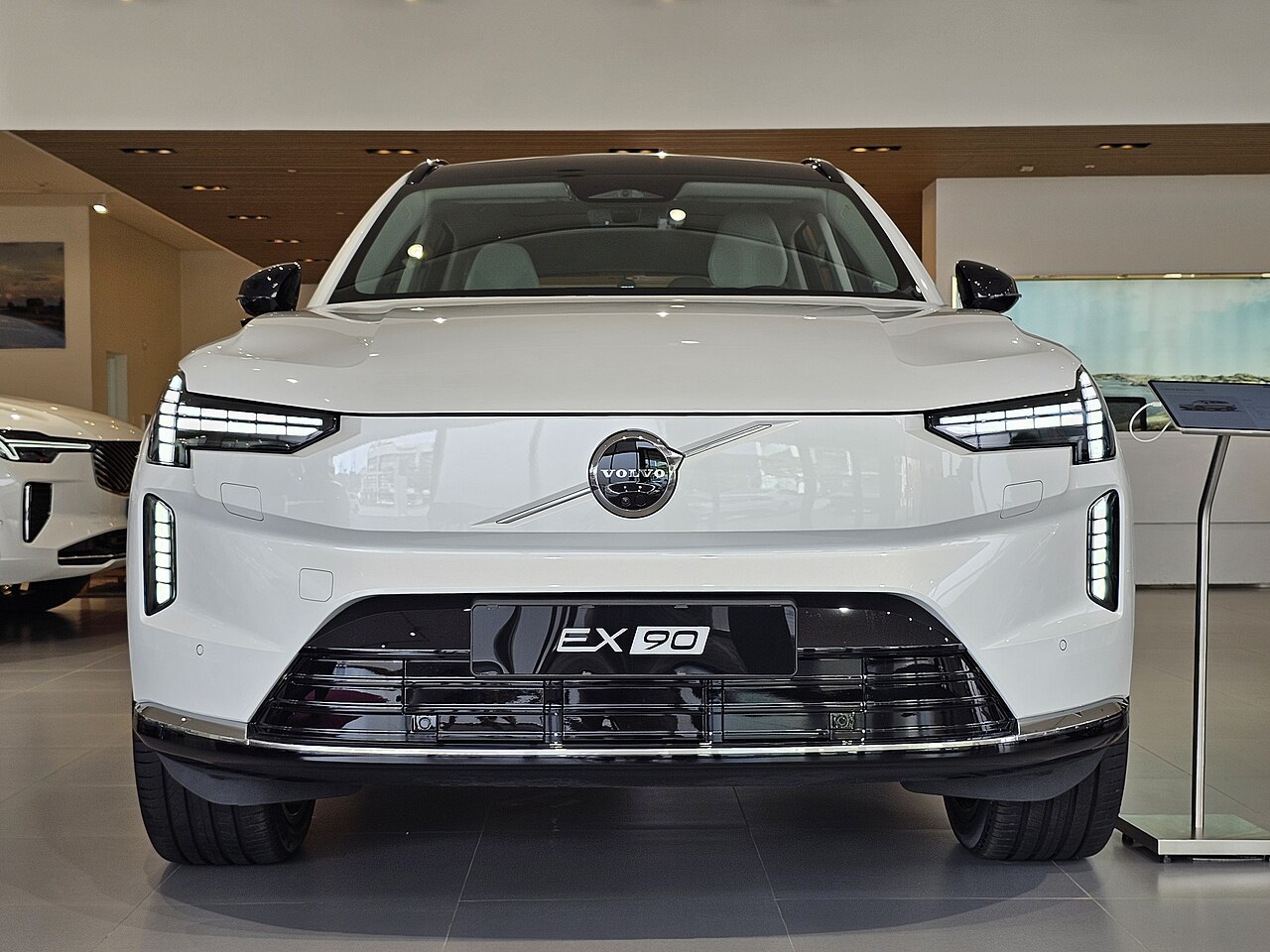
The 2027 Kia Sportage Plug-in Hybrid SUV provides substantially more EPA-rated driving range than the all-electric 2027 Volvo EX90 Twin Motor Performance SUV, though with notably lower overall efficiency. Both vehicles currently have clean recall records, which is an important factor for safety-conscious buyers. This comparison highlights critical EPA range figures, MPGe ratings, and charging times, offering clarity to potential buyers weighing a plug-in hybrid versus an electric SUV.
Key Findings
- The 2027 Kia Sportage PHEV's EPA range is 470 miles, significantly longer than the 310 miles EPA range of the Volvo EX90 EV.
- The Volvo EX90 has a far higher combined MPGe at 89 MPGe compared to 36 MPGe for the Kia Sportage PHEV, reflecting its full electric drivetrain efficiency.
- Charging time at 240V is much faster for the Kia Sportage PHEV at 2 hours versus 11 hours for the Volvo EX90.
- Both vehicles have 0 recalls reported by NHTSA, indicating no current major safety concerns affecting owners.
- City and highway MPGe ratings diverge widely, with the Volvo EX90 achieving up to 94 MPGe in the city and 83 MPGe on the highway, versus the Kia's consistent mid-30s MPGe values.
EPA Range Comparison
The 2027 Kia Sportage Plug-in Hybrid offers an EPA-estimated range of 470 miles. This is due to its combined use of a gasoline engine and electric motor, allowing for extended driving distances before refueling or recharging. In contrast, the all-electric Volvo EX90 provides a maximum EPA range of 310 miles. This figure represents how far the EV can travel on a single full battery charge under standardized testing conditions.
For buyers prioritizing long-distance driving without frequent stops, the Kia’s extended range reduces range anxiety typical of pure EV ownership. The trade-off is in fuel and electric efficiency, as discussed below.
Energy Efficiency and MPGe Ratings
MPGe, or miles per gallon gasoline equivalent, measures how efficiently a vehicle uses energy. The Volvo EX90 excels here, with a combined MPGe rating of 89 MPGe, reflecting its highly efficient dual electric motors and battery technology.
By contrast, the Kia Sportage PHEV achieves a combined MPGe of only 36 MPGe. This lower efficiency stems from using both gasoline and electric power, which typically involves more energy loss compared to a dedicated EV powertrain.
Looking at segment-specific MPGe values: the Volvo EX90 scores 94 MPGe in city driving and 83 MPGe on highways, while the Kia remains around 35 MPGe city and 36 MPGe highway. These figures illustrate the distinct driving dynamics and powertrain efficiencies between the two models.
Charging Times
Charging speed impacts usability for electric-focused drivers. The Kia Sportage PHEV’s battery can be recharged in approximately 2 hours on a 240V Level 2 charger, significantly faster than the Volvo EX90’s charging time of 11 hours.
This difference means that while the EX90 can drive electric-only for its range, it requires a longer recharge period, potentially restricting long road trips without access to DC fast chargers. The Kia PHEV’s faster charging time and hybrid gasoline backup may appeal to those who desire flexible and quick turnaround times.
Recall History
Both vehicles currently report zero recalls according to NHTSA data. This is reassuring, as it suggests there are no widespread safety-related issues identified for either model at this time.
Who Should Choose Each Vehicle?
Kia Sportage PHEV buyers typically want longer overall driving range with backup gasoline power to eliminate range concerns on long trips. The relatively quick recharge time adds convenience. However, they accept lower energy efficiency compared to a full EV.
Volvo EX90 EV purchasers prioritize zero tailpipe emissions, high electric efficiency, and a substantial electric-only range suitable for most daily driving needs. They must plan for longer charging windows and possibly rely on charging infrastructure availability.
| Specification | 2027 Kia Sportage PHEV | 2027 Volvo EX90 EV |
|---|---|---|
| EPA Range | 470 miles | 310 miles |
| Combined MPGe | 36 MPGe | 89 MPGe |
| City MPGe | 35 MPGe | 94 MPGe |
| Highway MPGe | 36 MPGe | 83 MPGe |
| 240V Level 2 Charge Time | 2.00 hours | 11.00 hours |
| NHTSA Recall Count | 0 recalls | 0 recalls |

Frequently Asked Questions
Which vehicle offers the longest EPA driving range?
The 2027 Kia Sportage PHEV provides a longer EPA-rated range of 470 miles compared to the Volvo EX90 EV’s 310 miles.
How do the vehicles compare in terms of energy efficiency?
The Volvo EX90 EV is more energy efficient, with a combined MPGe of 89 MPGe versus the Kia Sportage PHEV’s 36 MPGe.
Are there any recalls for these models?
Both the Kia Sportage PHEV and Volvo EX90 currently have no NHTSA recalls.
What are the typical charging times for each vehicle?
The Kia PHEV charges in about 2 hours on a 240V Level 2 charger, whereas the Volvo EX90 takes significantly longer at 11 hours.
Which model is better for someone concerned about long trips?
The Kia Sportage PHEV would be more suited for long trips due to its extended EPA range and quicker recharging, combined with a gasoline backup.
Conclusion: Choosing Between Extended Range and Efficiency
The 2027 Kia Sportage Plug-in Hybrid and Volvo EX90 Twin Motor Performance offer contrasting benefits. The Kia's notably longer EPA range and fast 240V recharge make it attractive for drivers needing flexibility and reduced range anxiety. Meanwhile, the Volvo EX90's high MPGe efficiency and fully electric drivetrain appeal to those prioritizing environmental impact and lower operating costs on urban and suburban routes.
Since both vehicles currently lack recalls, safety concerns should not heavily sway the decision. Ultimately, buyers must weigh whether the advantage of an extended range and quicker recharge from a plug-in hybrid outweighs the superior electric efficiency and emissions profile of a dedicated EV.
Data Sources
- EPA Fuel Economy Data (retrieved 2026-09-15)
- NHTSA Recall Database (retrieved 2026-09-15)